Viewing platform on the wall
Back to all places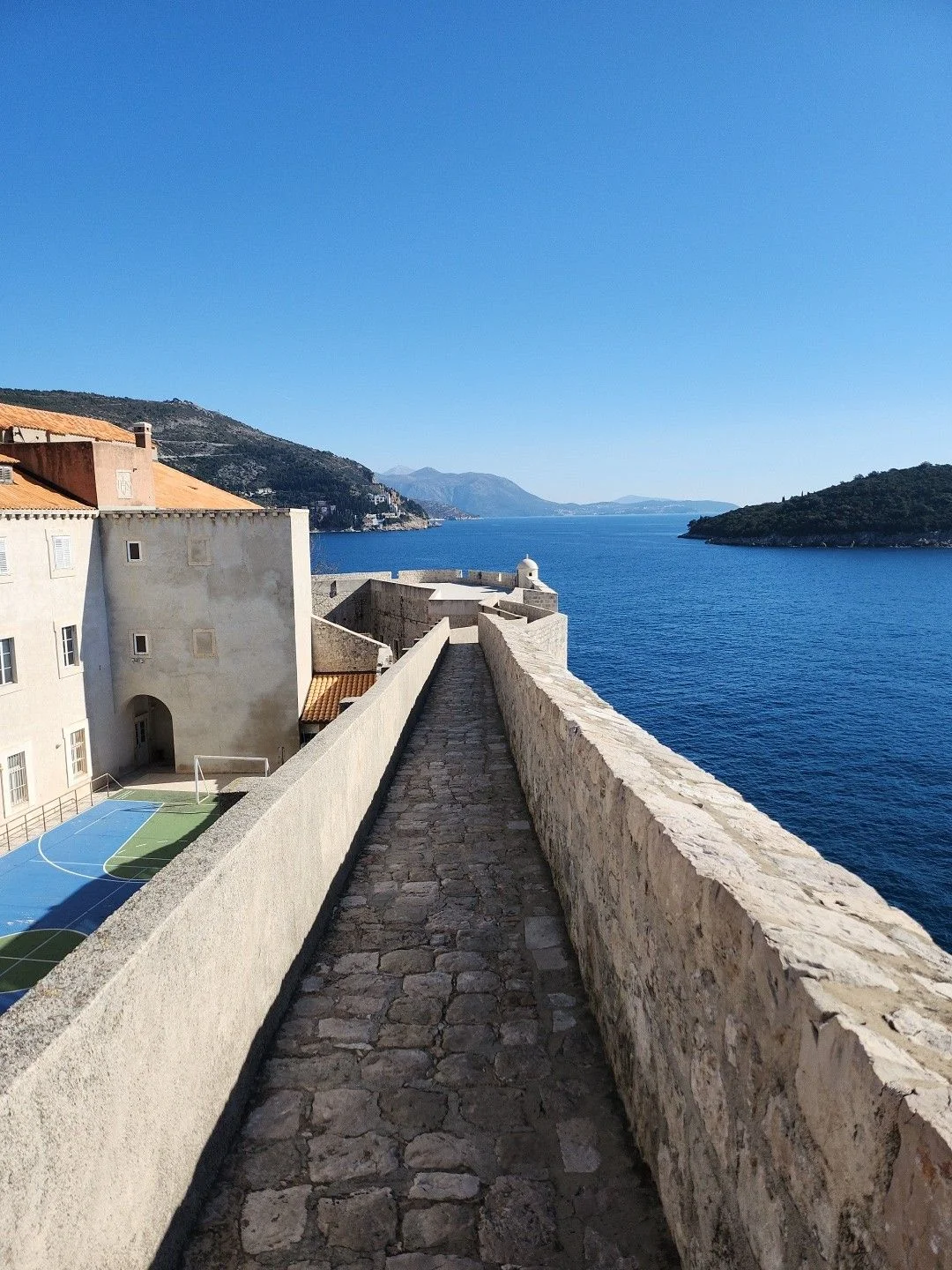
Viewing platform on the wall
0:00 / 1:38Viewing platform on the wall
Dubrovnik’s history is rich and varied, dating back to the Middle Ages and even earlier times. The city is known for its unparalleled architecture, artistic heritage and strategic importance on the Adriatic coast. Dubrovnik’s past is full of events that have shaped the city’s modern look and culture.
In 1667, Dubrovnik was hit by a catastrophic earthquake that destroyed much of the city’s Renaissance art and architecture. Despite this, the Sponza Palace and the Rector’s Palace survived and are still preserved today as important historical buildings. After the earthquake, the city was rebuilt in the Baroque style, which has survived to this day, giving the city its characteristic appearance.
Dubrovnik’s growth and prosperity during the Middle Ages was remarkable, but the decline of Mediterranean trade and the rise of other ports meant that the city began a steady decline. In 1806, when Napoleon Bonaparte arrived at the city gates, the Republic of St. Blaise (Dubrovnik’s former name) was already a shadow of its former glory.
Today, Dubrovnik is a UNESCO World Heritage Site and is one of Croatia’s most popular tourist destinations, known for its historic old town and walls. The Old Town is a traffic-free zone, making it ideal for exploring on foot. However, as in many historical sites, entry to the Old Town Wall is prohibited without a ticket.
Dubrovnik is a city that has seen both prosperity and decline throughout history, but has retained its charm and beauty. It is a place where history and modern culture meet, creating a unique and memorable experience for everyone who visits the city.
42.63901, 18.10896