Lazaret
Back to all places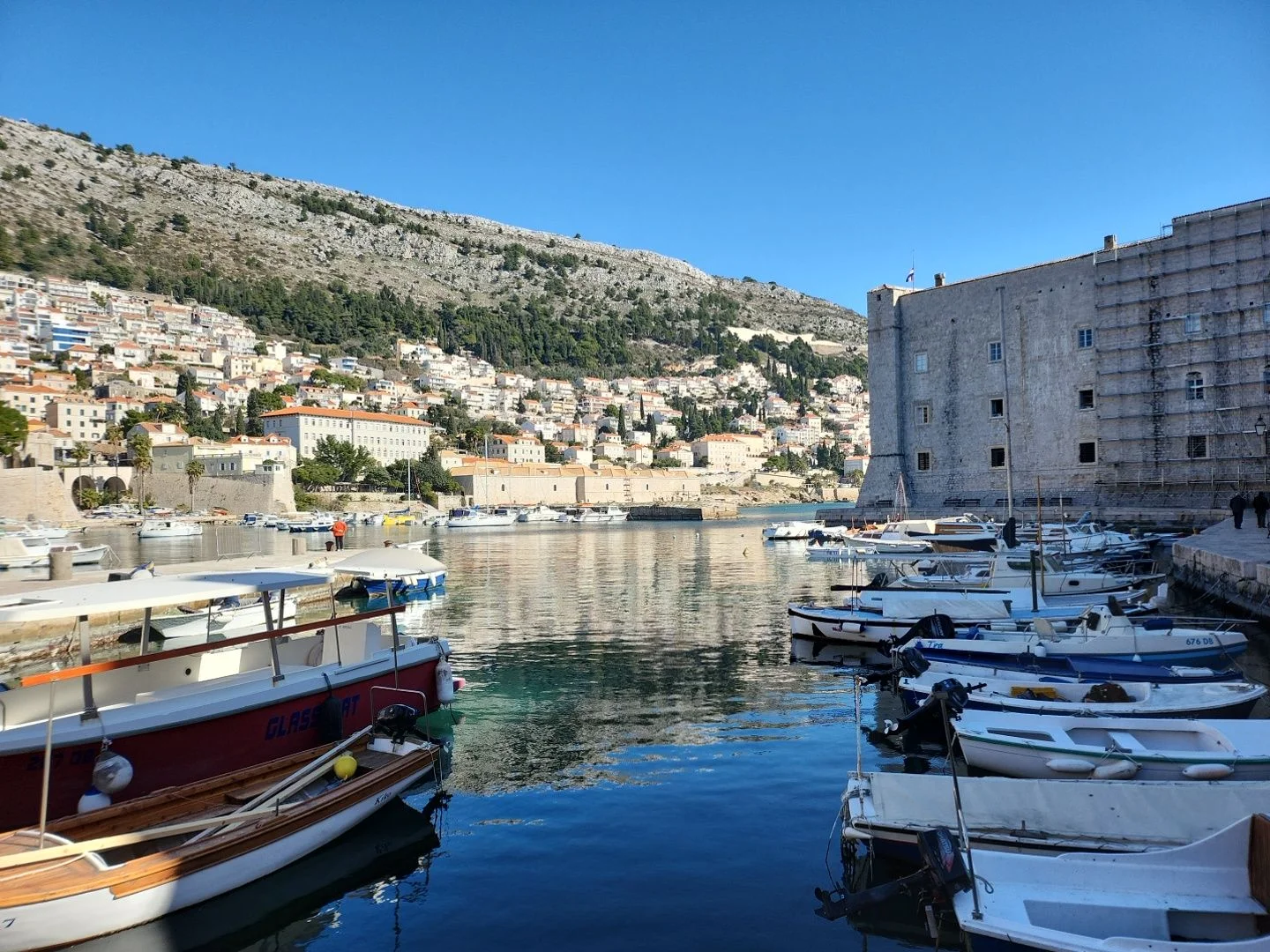
Lazaret
0:00 / 1:58Lazaret
The Lazareti of Dubrovnik, also known as lazarettos, is a historically and architecturally important building complex located near the Ploče Gate in the Old Town of Dubrovnik. It has a unique history that reflects the city’s strategic approach to health and safety in medieval and early modern times.
The Lazaret was built between 1627 and 1647, mainly as a quarantine station used during plague and cholera outbreaks. This was one of the main safeguards against the spread of infectious diseases within the city. The building consists of 10 sections separated by five courtyards and surrounded by high walls. Its long and narrow structure was ideally suited for isolation and quarantine purposes.
The location of the Lazaret is very strategic, right in front of the main entrance to the city and next to the Old Port, the main port of the city. Its location in front of the main entrance to the city made it an ideal place for the mandatory isolation of merchants, sailors and travelers before entering the city, which usually lasted 40 days.
The quarantine building was vital to the Republic of Ragusa, whose Grand Assembly in 1737 forbade the inhabitants of plague-stricken areas to enter Dubrovnik. Additional quarantine facilities were established in Danče Bay, where St. Mary’s Monastery and St. Mary’s Church are located today, and on islands such as Mrkan, Bobara and Supetar.
Quarantine was abolished in 1872, and since then the Lazaret complex has undergone several changes. Today, the Lazaret is a popular cultural center where various events take place, including concerts, plays and other cultural events.
Dubrovnik Lazareti is a unique example of a historic quarantine station that has become an important cultural site, offering visitors the opportunity to immerse themselves in the city’s history while enjoying modern cultural events.
42.64180, 18.11447